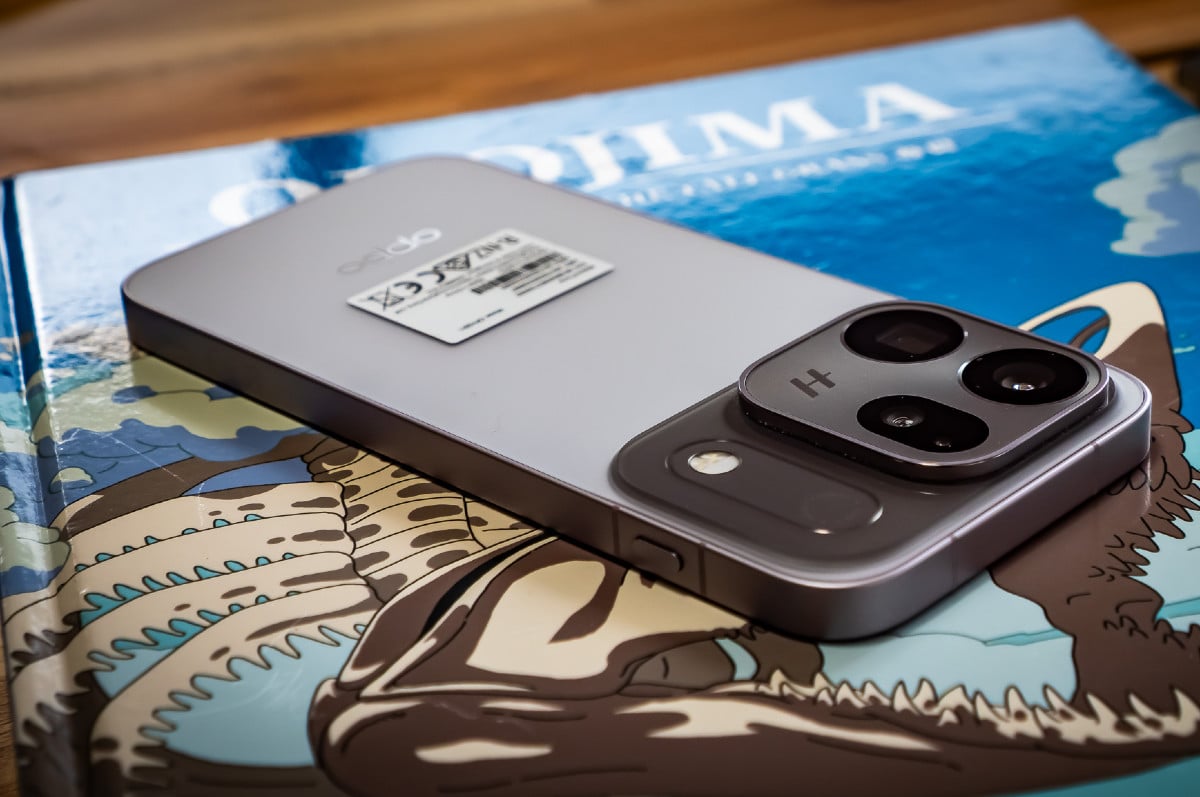
The OPPO Find X10 is too ambitious to write off, but it falls short of where it needs to be to justify the steep asking price. It’s a solid alternative to Google and Samsung when it comes to design and camera performance, but it can’t keep up with the competition on other fronts.
- Accomplished camera setup
- Sleek design
- Smaller size
- Expensive
- Performance isn’t where it should be
- Larger battery life doesn’t live up to the higher spec
OPPO has never felt further away from its challenger brand roots, with the arrival of its latest luxury-grade handsets. While the Find X10 is cheaper than the Find X10 Pro Max, the price tag makes the latest iPhone 18 Pro look thrifty by comparison.
While some Android fans might find mileage in the middle ground that the Find X10 ekes out between powerhouses like the Galaxy S26 Ultra and the Google Pixel 11 Pro XL, the trade-offs involved rarely feel commensurate with the price you’re paying. I don’t hate it, but as a longtime fan, it’s harder than ever to like what OPPO has become.
The OPPO Find X10 is too ambitious to write off, but too expensive to recommend.
An ambitious take on a familiar formula
The OPPO Find X10 doesn’t reinvent the wheel when it comes to design, but it does have a few edges on the competition. The first is that it’s relatively small.
A 6.59-inch LTPO AMOLED display means that this is no iPhone Mini, but OPPO’s latest is still a fair bit smaller in size than something like the Galaxy S26 Ultra or Pixel 11 Pro XL. It doesn’t hurt that the screen is every bit as colourful and sharp as you’d expect from a device that costs as much as this one does. It’s got a 144hz refresh rate, FHD+ resolution and a peak brightness of 3600 nits.
Meanwhile, the cold-sculpted glass on the back of the device gives the Find X10 a slick look that’s every bit as premium as the aluminium sides feel. While the left flank is where you’ll find the usual buttons, its opposite is home to the Snap Key – which acts as a shortcut to OPPO’s AI-powered Mind Space app by default. Similar to the Action Key found on the latest iPhones, this input can be remapped to something else fairly easily.
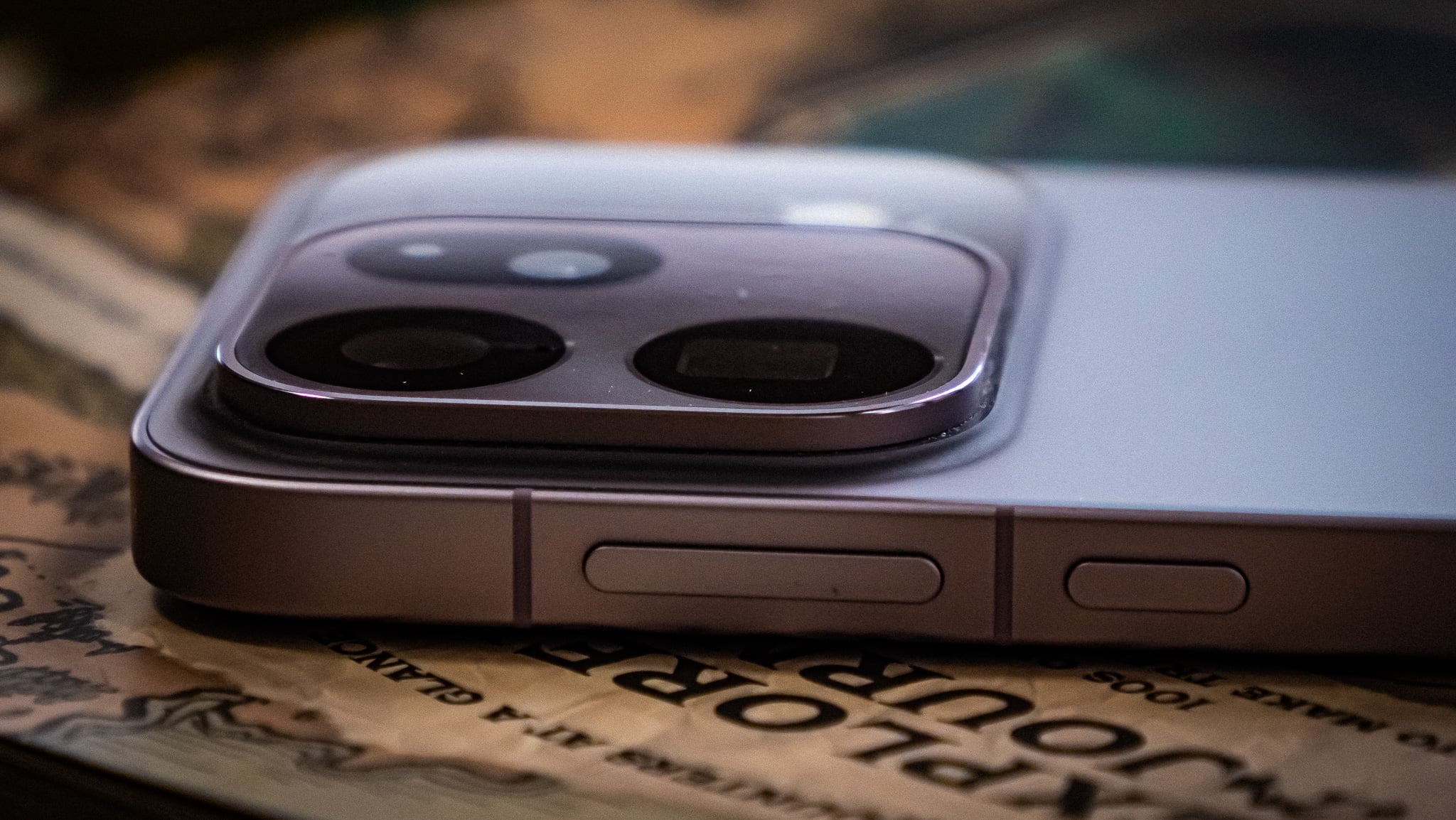
Past that, most of the usual perks you’d expect to find in a premium phone are easily found. There’s an in-display fingerprint scanner, IP68/IP69 water and dust resistance, wireless charging of up to 50W via a compatible charger, a 50MP selfie camera, and stereo speakers.
The biggest talking point – both in a literal sense and otherwise – is found on the other side of the OPPO Find X10. The backside of the handset is host to a 200MP primary lens, a 200MP periscope zoom lens, and a 50MP ultra-wide lens.
Those are pretty steep specs, and they come accompanied by support for OPPO’s teleconverter accessory (sold separately for $799). This clip-on camera lens increases the zoom to around 10x what the hardware can do by itself, and then up to 40x using software. In practice, I found this accessory a little too cumbersome and clunky to get regular usage out of. Fortunately, the camera hardware on the Find X10 was plenty impressive regardless.
OPPO Find X10 camera samples
For a sense of what the camera on the OPPO Find X10 can do fresh out of the box, check out the image gallery below. Click or tap on any photo to see a larger version.







Keeping up with ColorOS
Under the hood, the OPPO Find X10 is powered by a MediaTek Dimensity 9600M chipset, a 7,150mAh battery, 12GB of RAM, and the latest version of ColorOS. That recipe yields predictable results, for both better and worse.
In action, the everyday experience of using the Find X10 mostly hit the mark. Apps loaded fast, and aside from the odd large download, there was minimal heat build-up. However, when it came to graphically demanding games like Diablo Immortal and Destiny Rising didn’t run quite so smoothly as I’ve seen them on other premium devices. If gaming is more of a priority, you’ll likely be better served by something running on either Apple silicon or the latest Snapdragon processor instead.
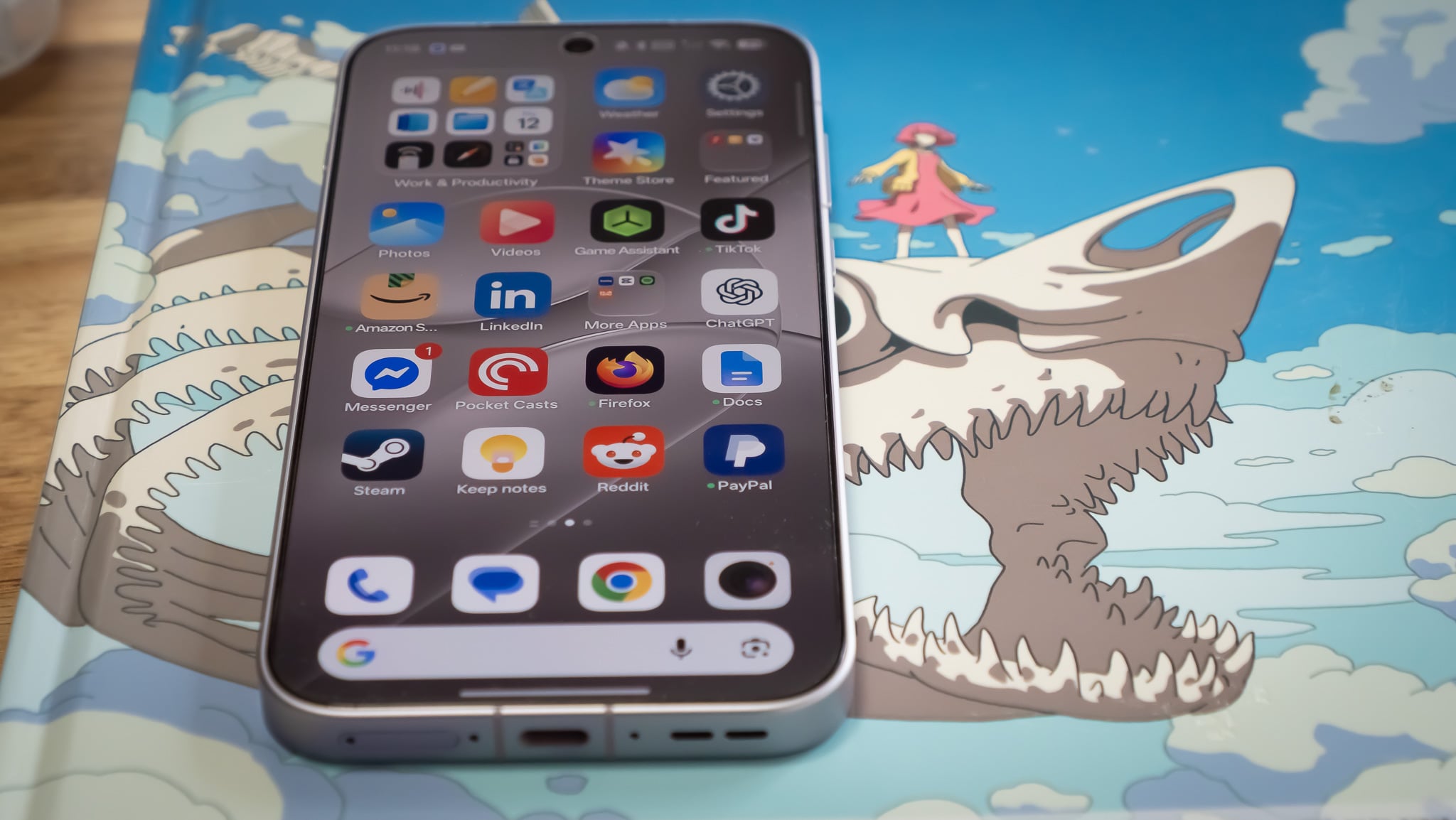
The software side of things is similarly mixed. Out of the box, the Find X10 will get five major operating system upgrades and six years of security updates. That’s well short of the high bar set by other high-end devices available from Samsung and Google, but the larger issue is that while ColorOS is not nearly as obnoxious about its AI integrations, it does have a similar problem to Samsung’s One UI in that you’re only ever one accidental swipe away from accidentally triggering some feature or turning on Magazine Lock.
Your mileage may vary, but it more often felt like ColorOS was getting in the way of me using the Find X10 the way I wanted to. Some might gel with it better, and there’s nothing stopping you from loading up a custom Android skin to sidestep, but in terms of the initial experience, the software side of OPPO’s latest left me a little cold.
The battery life was similarly uninspiring. While I wouldn’t say that the Find X10 was particularly short-lived, the difference between the longevity the hardware here offers and that of something with two-thirds the amount of milliamps doesn’t feel as big as you’d expect. I could comfortably get through about a day to a day-and-a-half on a single charge. Nothing to scoff at, but in context, it’s not that far off what most of the competition can offer.
OPPO Find X10 - Final Thoughts
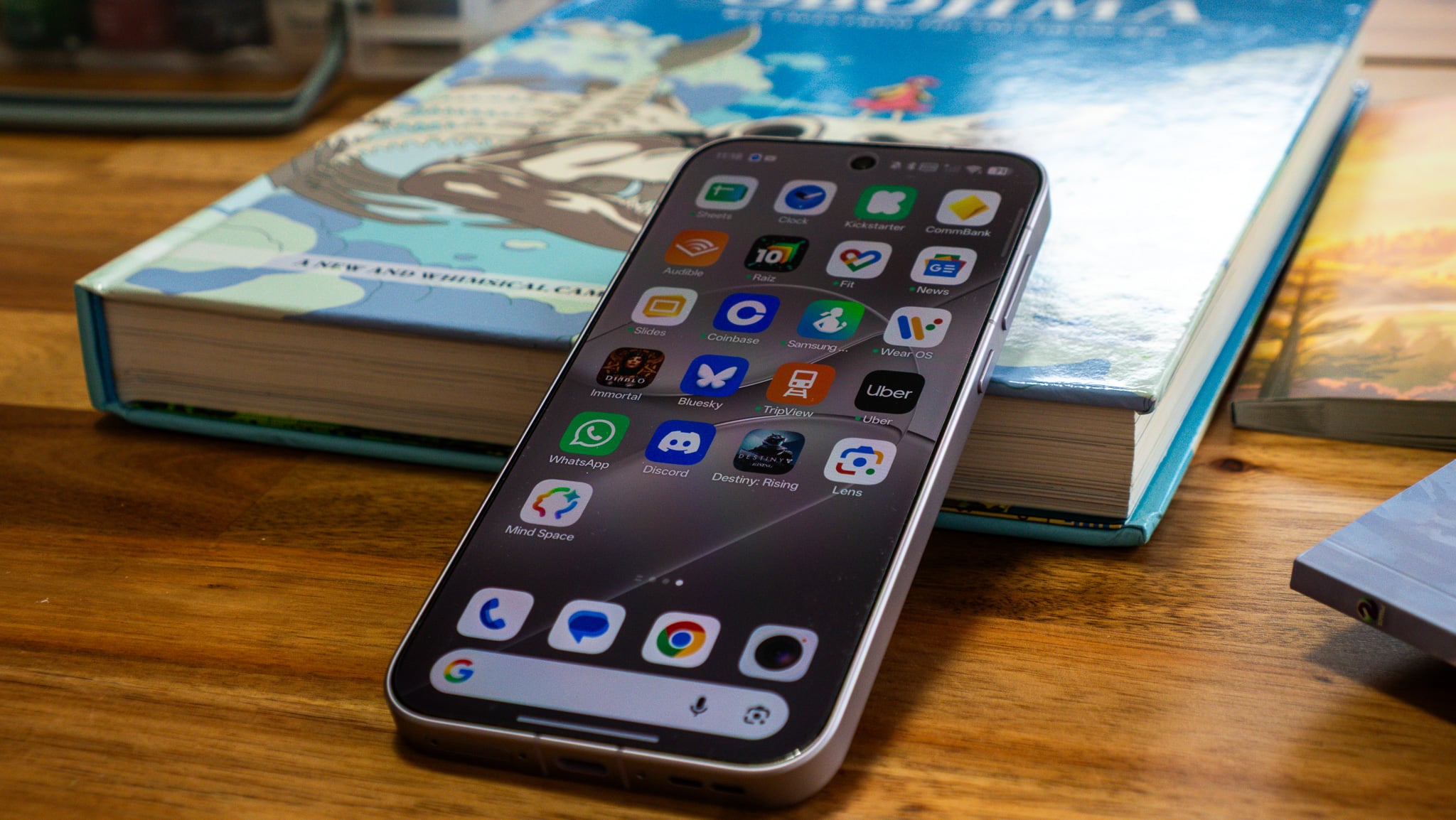
The OPPO Find X10 ticks most of the boxes you’d want a premium handset to tick, but I can’t help but suspect that the goodwill will be overshadowed by the steep price tag. This isn’t even OPPO’s best phone, and a $500 increase over the previous model doesn’t make the argument for it over the obvious competitors any easier.
The design is sleek, the performance is more than serviceable, the camera delivers sharp results, but the math rarely adds up to more than the sum of those parts. The flavour might be different, but Find X10 just doesn’t quite satisfy in the way that both devices above and below it might.
These are the most popular NBN 50 plans with WhistleOut users this week:


Fergus Halliday
Digital Content Editor

Related Articles